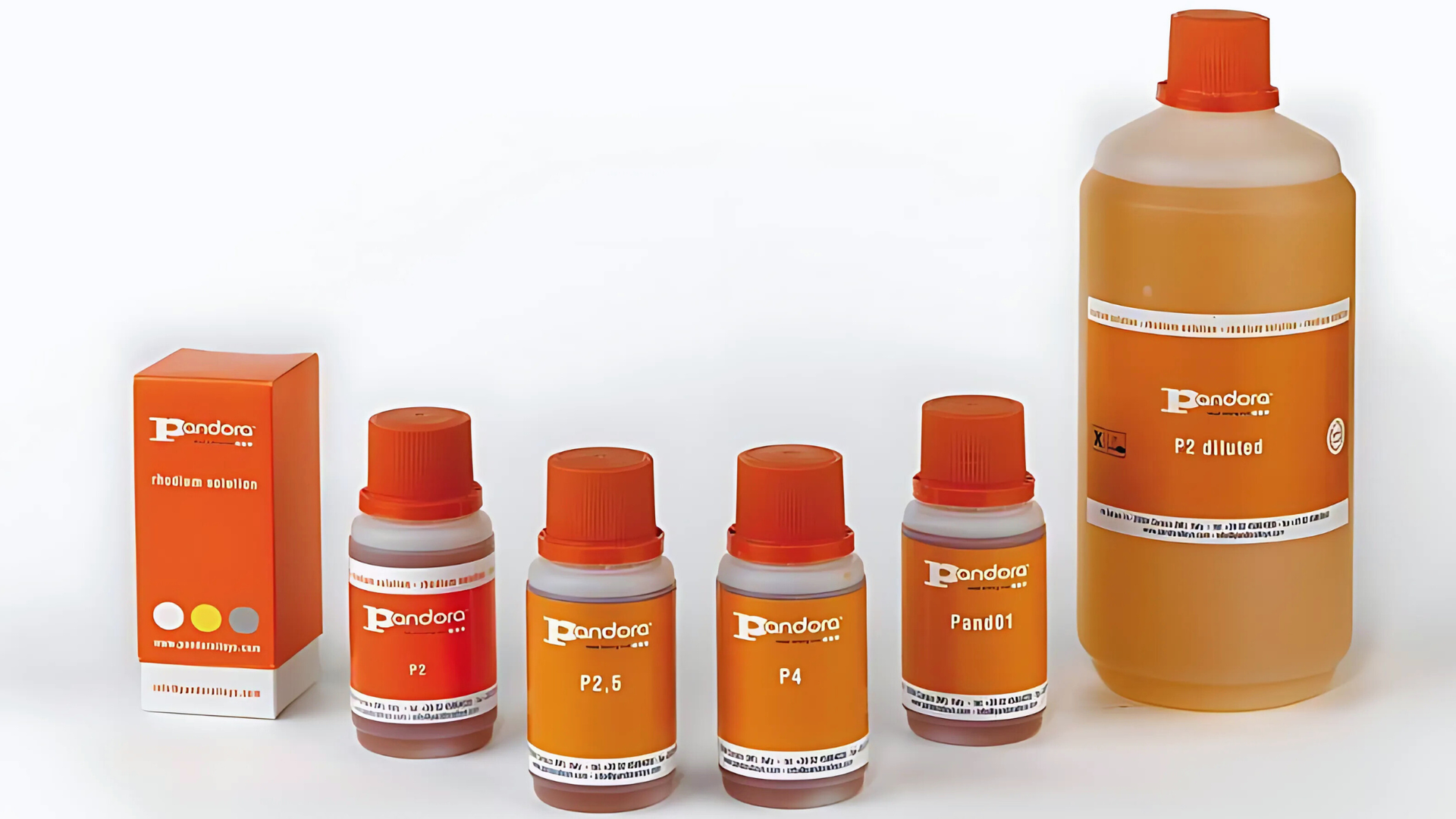
Rhodium is most commonly associated with automotive catalytic converters, but vehicles are not the only place this rare precious metal is used. Outside the auto industry, rhodium appears in glass manufacturing, high-temperature sensors, chemical catalysts, jewelry plating, electronics, laboratory equipment, and specialized industrial alloys. These non-automotive sources are often less familiar to the public, but they can contain highly valuable recoverable metal. Rhodium is especially important because it is not mined in its pure form. There are no standalone rhodium mines. Instead, rhodium is produced as a minor by-product of platinum, palladium, and nickel mining. This makes the supply extremely limited and difficult to increase quickly. As a result, recycling rhodium from industrial and commercial waste is both financially attractive and strategically important.
One of the richest non-automotive sources of recyclable rhodium is glass manufacturing equipment. Rhodium is commonly alloyed with platinum because the combination performs exceptionally well at very high temperatures. In glass production, equipment may be exposed to molten glass at temperatures between roughly 1300°C and 1800°C. Ordinary metals would deform, corrode, or contaminate the glass, but platinum-rhodium alloys remain stable under these extreme conditions.
This is why rhodium can be found in crucibles, stirrers, feeder systems, bushings, plungers, stir cells, and fiber-optic glass nozzles used in the glass industry. These parts are used in the production of technical glass, optical glass, fiberglass, and fiber optic materials. Depending on the application, the alloy may contain about 5% to 30% rhodium.
Even at the end of its service life, this equipment can still hold significant value in precious metals. Rhodium is present in a relatively concentrated alloy form, making glass manufacturing scrap much more valuable than low-grade electronic waste. This material is typically recycled by specialized precious-metal refiners that can melt, assay, and remanufacture platinum-rhodium alloys.
Another major source of recyclable rhodium is high-temperature thermocouples. Type R and Type B thermocouples are made with platinum and platinum-rhodium wires. These sensors are used to measure extreme temperatures in demanding industrial environments. They are commonly found in aerospace manufacturing, semiconductor production, power generation, heat treatment facilities, ceramic manufacturing, metal processing, and glass factories. The wires may appear thin and insignificant, but they can hold significant value, especially when collected in large quantities.
Spent thermocouple assemblies, broken furnace probes, platinum-rhodium sensor wire, and damaged temperature measurement equipment should not be thrown away as ordinary scrap. They are often accepted by precious metal refiners or returned through manufacturer reclamation programs. Often, the recovered value can be paid directly to the owner or credited toward the cost of replacement thermocouples.
Rhodium is also widely used in chemical manufacturing because it is an exceptional catalyst. Outside vehicle emissions systems, rhodium helps drive important industrial reactions used to make acetic acid, oxo-alcohols, pharmaceutical intermediates, plastics precursors, and specialty chemicals.
In some processes, rhodium is used as a liquid-phase homogeneous catalyst. In others, it appears in solid forms such as platinum-rhodium gauze or supported catalyst materials. Over time, these catalysts become contaminated, poisoned, or less effective, and they must be replaced. Spent chemical catalysts can appear as liquid residues, filter cakes, process sludges, ashes, spent gauzes, contaminated powders, or reaction waste. Although these materials may look like ordinary industrial waste, they can contain valuable rhodium as well as other platinum group metals such as platinum and palladium.
Recycling these materials requires professional handling because the composition can be complex. Chemical catalyst residues may contain organic contaminants, solvents, halides, base metals, and other process chemicals. A proper refiner will sample and assay the material before determining its recoverable rhodium value.
The jewelry industry is one of the most visible non-automotive users of rhodium. Rhodium is used as a bright, reflective, silvery-white coating on white gold, sterling silver, and sometimes platinum jewelry. This plating provides jewelry with a clean white appearance and helps protect it from tarnish, scratching, skin acidity, and cosmetic chemicals.
Most rhodium in jewelry is found in thin layers or plating. The metal is usually applied as a very thin electroplated layer, often called rhodium flashing. Because the coating is microscopic, a single plated ring or necklace typically contains little recoverable rhodium. Jewelry shops and plating operations produce waste that offers better recycling opportunities. Spent rhodium plating solutions, exhausted electroplating baths, plating sludges, used filters, polishing dust, buffing wheels, contaminated rags, ion-exchange resins, and floor sweeps can all contain recoverable rhodium. A small shop may generate only modest quantities, but over time, these materials can become valuable when accumulated and sent to a qualified precious-metal refiner.
Rhodium is also used in certain electronic and electrical components, although usually in much smaller quantities than gold, silver, copper, or palladium. It is chosen for specialized applications because it resists corrosion, oxidation, and electrical arcing. These properties make it useful in components where reliability is more important than cost. Rhodium may be present in high-performance electrical contacts, aerospace connectors, military-grade connectors, specialized relays, high-end switches, semiconductor test probe needles, legacy magnetic drive components, and certain precision electrodes. It may also be used in demanding spark plugs and other ignition-related components where heat and wear resistance are critical.
However, recycling rhodium from electronics is challenging. The concentration is often extremely low, and the material is mixed with plastics, base metals, solder, flame retardants, and other contaminants. For this reason, rhodium recovery from electronics usually only makes economic sense at an industrial scale. Large refiners may process tonnes of electronic scrap to recover small amounts of rhodium alongside gold, silver, palladium, platinum, and copper.
Laboratories and research facilities may also use rhodium-bearing materials, especially in equipment exposed to high heat or corrosive chemicals. Platinum-rhodium crucibles, scientific thermocouples, furnace components, specialty electrodes, and analytical instrument parts can all contain recyclable rhodium.
Universities, industrial testing labs, materials science facilities, metallurgical laboratories, and chemical research centers may have this type of scrap. Because some of these items contain high-value platinum-rhodium alloys, never discard them as ordinary metal waste. Even small pieces of labware can have substantial precious metal value if the rhodium and platinum content is high.
Some specialized industrial parts contain rhodium because they must survive extreme operating conditions. Rhodium may be used in alloys or surface coatings where hardness, corrosion resistance, oxidation resistance, or high-temperature strength is required. These materials may appear in aerospace, defense, semiconductor manufacturing, metallurgical processing, and high-performance engineering applications. Examples include specialty furnace hardware, high-temperature electrodes, corrosion-resistant process components, and precision parts exposed to severe wear. These sources are less common than thermocouples or glassmaking equipment, but they can be valuable when properly identified.
Rhodium is also produced as a fission product in nuclear reactors. Spent nuclear fuel contains small amounts of rhodium, ruthenium, palladium, and other metals. In theory, this material represents a significant potential source of rhodium.
In practice, it is not a normal commercial recycling source. Nuclear-derived rhodium can contain radioactive isotopes and requires long cooling periods, highly specialized separation chemistry, and strict regulatory control. Because of the safety and legal barriers, spent nuclear fuel is not an accessible source for ordinary rhodium recycling.
Apart from catalytic converters, rhodium can be found in several valuable secondary sources. The most important include glass manufacturing equipment, platinum-rhodium thermocouples, chemical catalysts, jewelry plating waste, electronic contacts, semiconductor testing probes, laboratory equipment, and specialty industrial alloys.
Among these, glass industry parts and thermocouple wires are often the richest solid sources, while spent chemical catalysts and jewelry plating solutions can also be highly valuable when properly collected and refined. Electronics may also contain rhodium, but usually at very low concentrations that require large-scale processing. Because rhodium is rare, expensive, and produced only as a by-product of other mining operations, recycling these non-automotive sources is increasingly important. For businesses, jewelers, laboratories, and industrial facilities, rhodium-bearing scrap should be treated as a valuable resource rather than waste.