Rhodium is the rarest of all commercially traded metals, with its global supply heavily constricted to a handful of by-product extraction zones within South Africa’s Bushveld Complex. Because it is a secondary extractant derived from platinum and palladium mining, its supply curve remains inelastic. This scarcity renders price dynamics particularly violent, with spikes exceeding $20,000 per troy ounce in recent years. Such extreme volatility places a massive premium on processed scrap that can be quickly verified, refined, and returned to the market. The industrial necessity of the metal is rooted deeply in its chemistry.
Rhodium is unmatched in its ability to catalyze the reduction of nitrogen oxides (NOx) in catalytic converters. Furthermore, its extreme oxidation resistance and creep characteristics at temperatures exceeding 1,500°C make it indispensable in glass manufacturing and aerospace applications. Secondary rhodium-rich scrap, often embedded in alloyed "plug" components, represents the most concentrated and valuable form of recoverable rhodium.
However, pricing for PGM-bearing scrap depends heavily on the form of recovery—whether fine sponge, thermocouple wires, or alloyed bushings—and the speed with which a processor can assay and refine it. In this volatile market, delays of even a week can eliminate double-digit margins.
The term "plug" most often refers to high-performance spark plugs, particularly those from the aviation and racing sectors, where electrode durability is paramount. Unlike automotive versions, aviation spark plugs utilize superalloy electrodes made from platinum-iridium or platinum-rhodium alloys. These generally fall into two categories: fine wire spark plugs, which are premium aerospace components with slender PGM-rich tips ideal for recyclers, and massive electrode spark plugs, which are bulkier with lower concentration but higher total PGM quantity.
Strategic sourcing for these materials flows through several channels.
MRO (Maintenance, Repair, and Overhaul) depots regularly replace plugs during FAA-mandated inspections. General aviation airports and independent hangar mechanics also accumulate usable scrap over time. Phoenix Refining competes directly with OEM recycling initiatives, such as Champion Aerospace’s "Chuck-it Bucket," by offering real-time market-based payouts rather than fixed-value credits. The processing of these items involves mechanical extraction, ceramic crushing, acid leaching, and PGM separation, a task made difficult by iridium’s extreme chemical resistance.
While spark plugs offer volume, glass fiber bushings represent the "whale" of rhodium recycling. These nozzled units extrude molten glass at temperatures exceeding 1,400°C and are composed of platinum-rhodium alloys (typically Pt-10%Rh or Pt-20%Rh) designed to withstand extreme corrosion. In this sector, "plug" terminology specifically refers to drain plugs and cleanout plugs used to control filament extrusion, as well as forehearth components like tips or nozzles, which wear out faster than the bushings themselves.
Sourcing these components typically occurs at glass manufacturing plants during scheduled downtimes or replacement cycles. Other sources include industrial liquidations, bankruptcies, and refractory demolitions where decades of vaporized PGMs may have impregnated the surrounding bricks. Phoenix Refining utilizes the capability to melt these solid alloy components and assay real-time platinum-to-rhodium ratios, providing a significant advantage over refiners that offer flat rates regardless of metallurgical composition.
Beyond the mainstream streams, there are niche categories that require careful identification. Audiophile connectors marketed as "rhodium plugs" are generally rhodium-plated brass or copper with negligible scrap value. Conversely, thermocouple plugs used in high-temperature control systems (Type S, R, or B) are highly valuable and are often disposed of during plant upgrades or chemical shutdowns. From a historical perspective, vintage industry trade publications often featured Phoenix Refining’s predecessors. These "Ad Plugs" illustrate a continuity of industrial focus and brand durability, serving as a persuasive insight for investors or cautious corporate partners.
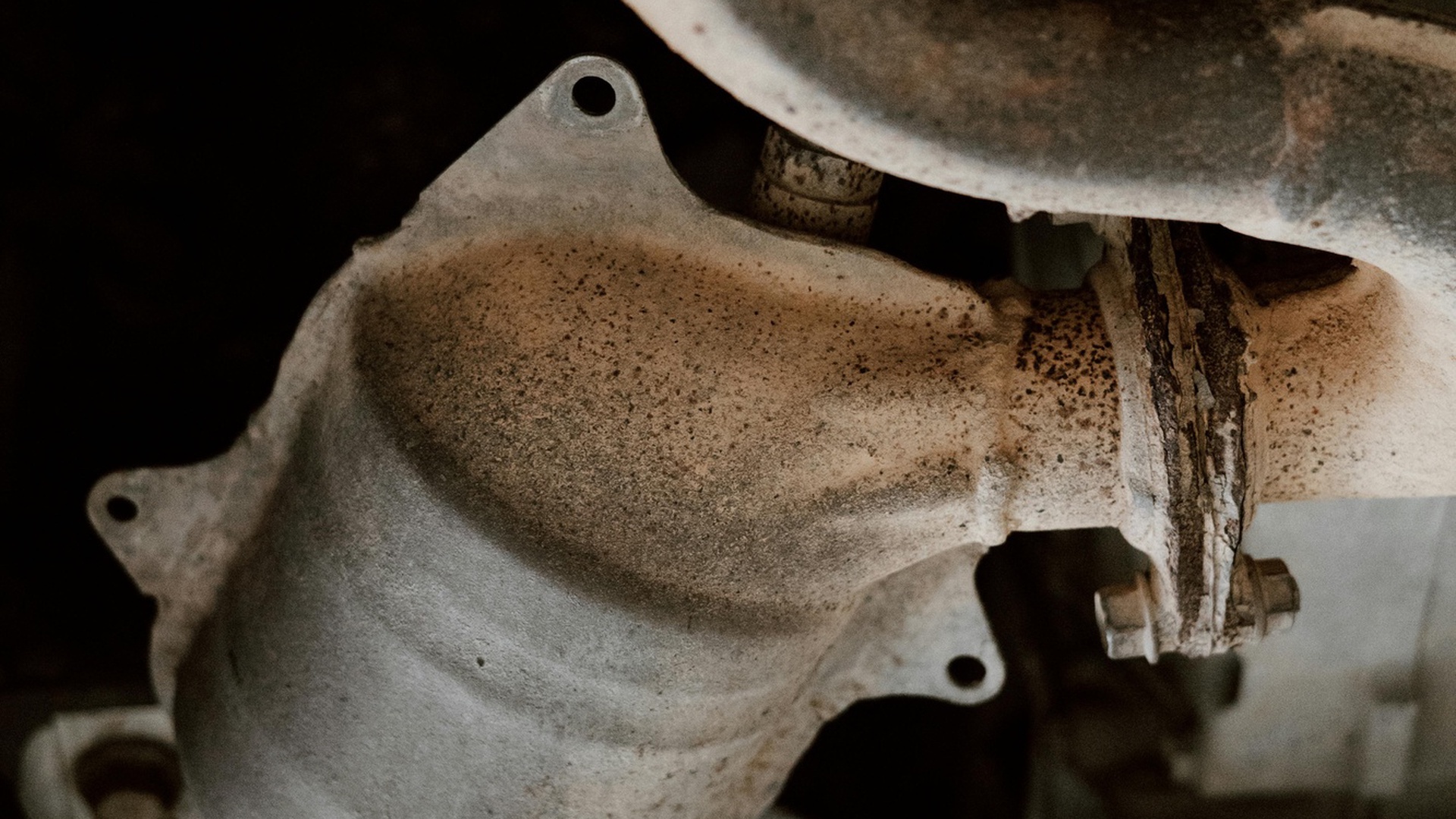
Understanding where plug-rich rhodium material ends up requires analyzing the End-of-Life (EOL) ecosystem. In the aviation sector, MROs and maintenance yards yield spark plugs and turbines. The glass industry provides bushings and drain/clean-out plugs during furnace decommissioning or line liquidations. The auto scrappage sector, specifically junkyards and muffler shops, provides oxygen sensors and catalytic converters. Laboratories and universities generate thermocouple wire and platinum crucibles through surplus sales and hazardous material disposal units. Finally, petrochemical plants offer ammonia gauzes and control probes during fertilizer producer shutdowns or catalyst swaps.
To fully appreciate the financial stakes, one must consider the specific economics of the "plug." Using a fine wire aviation spark plug as a scenario, a single unit may contain approximately 0.5 to 1.0 grams of a platinum, iridium, or rhodium alloy. In a hypothetical market where rhodium trades at $5,000 per ounce and iridium at $4,000 per ounce, the aggregated value becomes staggering. A single drum containing 1,000 plugs could theoretically hold between $5,000 and $10,000 worth of recoverable metal. This reality creates a massive arbitrage opportunity. If a local scrap yard mistakenly purchases these items at a standard steel scrap rate of $0.50 per pound, the aggregator who correctly identifies the PGM content and routes it to Phoenix Refining captures a substantial margin.
Looking toward the future, the "plug" economy is inextricably linked to the hydrogen shift. Iridium is the primary catalyst for Proton Exchange Membrane (PEM) electrolyzers, which are essential for producing green hydrogen. As the world decarbonizes, the demand for iridium is projected to skyrocket. This macro-trend means that aviation spark plugs—being one of the few sources of secondary iridium—will become strategic assets. We can anticipate refiners like Phoenix Refining competing aggressively for these specific scrap streams, potentially causing the price of spark plug scrap to decouple from the general platinum market as industrial demand spikes.
Ultimately, the search for "rhodium scrap add plug" leads to a sophisticated industrial ecosystem rather than a simple hunt for a single item. It represents a strategic engagement with the lifecycles of high-performance engines and glass manufacturing. For the aggregator or industrial supplier, success lies in three distinct areas: identification, aggregation, and partnership. One must possess the skill to distinguish the platinum-rhodium bushing or the iridium-rhodium aviation plug from common steel scrap and the logistics to aggregate these end-of-life components from MROs, airports, and plant shutdowns.
By utilizing the specialized capabilities of Phoenix Refining, suppliers ensure they can accurately assay and recover these critical metals. In the end, the "plug" is more than a scrap part; it is a dense store of value, a geological rarity refined into industrial form, waiting to be reborn through the fires of the refinery.