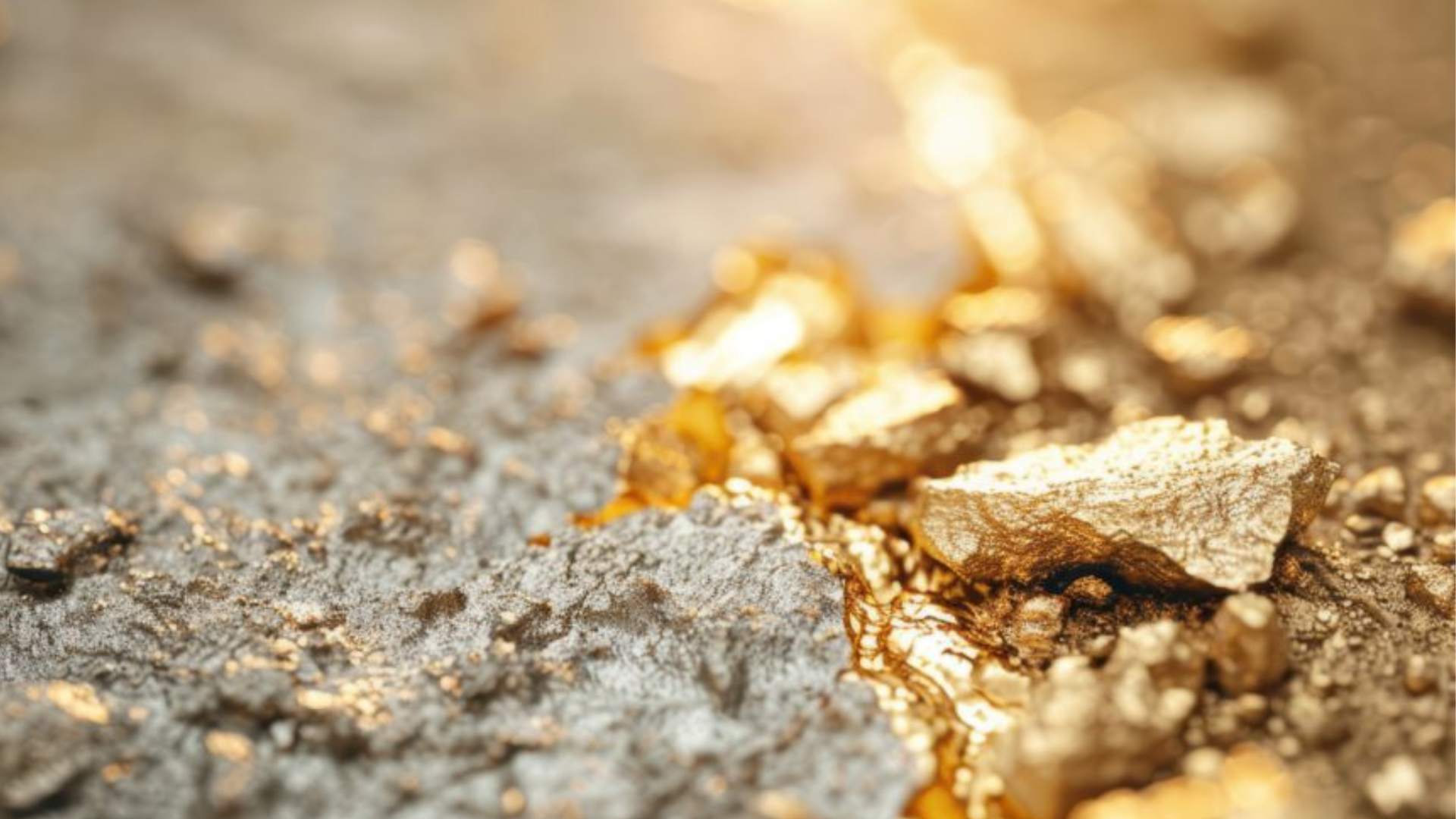
Gold and silver have fascinated humanity for millennia, revered for their beauty, rarity, and symbolic power. From ancient civilizations to modern economies, these two precious metals have left their glittering imprint across cultures, religions, and currencies. But, amidst all the adoration and utility, a timeless question remains: who first discovered gold and silver? The answer, like the metals themselves, is both timeless and universal, found not by a single individual, but by humanity itself, scattered across time and geography.
Gold has captivated humans since prehistoric times, likely making it the first metal known to our species. Its natural occurrence as shiny, yellow nuggets in riverbeds made it easily recognizable and collectable long before the concepts of currency or metallurgy had emerged. Unlike other metals, gold does not corrode or tarnish, which made it both a mystical and a practical material for early populations. Around 4000 BCE, civilizations in Eastern Europe began shaping gold into ornamental objects, one of the earliest examples of humans working with a metal. But it was the Ancient Egyptians who are often credited with formalizing gold’s value and use. By 2600 BCE, they had already created gold artifacts, jewelry, and burial masks like the famed golden visage of Tutankhamun. Their influence was substantial; gold was not just a status symbol but a divine substance. Egyptians mined gold extensively in the Nubian deserts and even created one of the earliest known maps, the Turin Papyrus Map, which details gold-mining sites.
The Lydians, in what is modern-day Turkey, are recognized for minting some of the earliest pure gold coins around 560 BCE during the reign of King Croesus. Even earlier, around 600 BCE, mixed-metal coins called “electrum,” a natural alloy of gold and silver, were used. Greeks, Romans, Persians, and eventually cultures from China to South America recognized gold’s value, utilizing it for currency, religious artifacts, and royal regalia. The Incas and Aztecs even believed gold was the sweat or tears of the sun, a divine element reserved for rulers and deities.
Gold has also fueled historic events on a global scale. From the Roman hydraulic mining systems to the Californian Gold Rush of 1848, the pursuit of gold shaped economies, led to colonization, and even ignited conflicts.
While gold dazzled ancient peoples with its sheen, silver intrigued them with its versatility. Archaeological findings suggest that humans have known silver since at least 4000 BCE. Early extraction techniques appeared in the Aegean region, particularly in modern-day Sardinia. The method of “cupellation,” where silver is extracted from lead ores, became a cornerstone of ancient metallurgy.
Interestingly, silver was initially rarer and more valuable than gold in ancient Egypt because native silver deposits were scarce. But this balance shifted as extraction technologies evolved. By the 7th century BCE, the Greeks had mastered silver smelting, drawing massive quantities from Laurium mines, which financed the rise of Athens. Silver coins, such as the Drachma, became critical to trade in ancient Greece and Rome.
Throughout the Middle Ages, Central Europe became a hub for silver mining. German mines, especially in Saxony and Bohemia, supplied much of Europe’s demand. With the “Age of Exploration” came the Spanish conquest of the Americas, and silver production exploded in places like Bolivia and Mexico. The mines at Potosí, opened in the mid-1500s, became one of the largest sources of silver ever, fueling the Spanish empire’s economy. Silver’s conductivity also made it invaluable beyond its monetary role. In modern times, silver is critical for electronics, medicine, photography, and solar technology, distinguishing itself as a metal of both elegance and utility.
It’s tempting to seek out a name or face behind the “discovery” of gold and silver. But unlike scientific inventions or territorial explorations, these metals existed in the natural world, quietly waiting to be noticed. The reality is that early humans across different regions of the globe likely stumbled upon both gold and silver independently. In prehistory, a curious child might have picked up a gleaming rock from a creek, and in that moment, gold entered the human story. Early communities in Egypt, Mesopotamia, India, China, and the Americas have archaeological evidence of the use of gold and silver, suggesting widespread human attraction to these metals.
These early “discoverers” didn’t recognize the economic value of gold or silver at first. It was their physical qualities, brilliance, malleability, resistance to tarnish in gold, and luster and conductivity in silver that first invited attention. Over time, the metals gained cultural significance, evolving from ornamental beauty to divine symbolism to economic standards.
Despite their differences in applications and perceptions, gold and silver have walked hand in hand through history. Gold is seen as rare, divine, and unchanged, a universal symbol of wealth and power. Silver, conversely, has been more accessible and practical, valued for its technological applications as well as monetary usage.
Empires rose and fell chasing these metals. Enslaved people and prisoners were often forced to mine them. Ancient myths like the Golden Fleece and El Dorado stem from quests for these treasures. Over time, they formed the basis for global currencies, giving birth to monetary systems, central banks, and bullion markets. Even today, nations store gold in underground vaults as a hedge against uncertainty, while silver is used to make components for solar panels and semiconductors.
In the end, the discovery of gold and silver wasn’t a single moment in time, nor was it the work of a single individual. These metals were scattered across rivers and rocks, and it was humanity’s curiosity, ingenuity, and reverence that transformed them into symbols of civilization, commerce, and culture.
From the child picking up a shimmering stone thousands of years ago to the complex trading platforms used to buy digital gold today, our relationship with these metals reflects not just economic intent but a deeper connection to beauty, permanence, and legacy. Gold and silver were not just discovered; they were inherited, shaped, minted, adorned, and cherished by humanity throughout the ages. And their story, like their value, only continues to grow.