Sterling silver has been the traditional standard for fine silver jewelry and decorative objects for centuries. Its formula is simple: 92.5 percent silver and 7.5 percent copper. The copper provides silver the strength it needs for daily use, because pure silver is too soft for most jewelry, tableware, and hollowware. However, the same copper that makes sterling silver stronger also creates its most significant weaknesses. Sterling silver tarnishes easily, develops firescale when heated, requires frequent polishing, and often needs harsh chemical treatment during manufacturing. Argentium was developed as a modern solution to these problems. By replacing part of the copper with germanium, Argentium keeps the beauty and workability of silver while greatly improving its performance.
One major advantage of Argentium is that it contains more silver than standard sterling. Traditional sterling silver contains 92.5 percent silver, while common Argentium grades contain 93.5, 94, or even 96 percent silver. This means Argentium is not a lower-grade substitute for sterling; it is a higher-purity silver alloy. The key difference is germanium. Argentium is made from silver, copper, and germanium rather than just silver and copper. This small addition dramatically changes the alloy. Germanium improves tarnish resistance, prevents firescale, increases brightness, and gives Argentium unique working properties that traditional sterling does not have.
The most obvious benefit of Argentium is that it tarnishes much more slowly than sterling silver. Sterling reacts with sulfur compounds in the air, forming dark surface tarnish. This is why sterling jewelry often turns yellow, gray, purple, or black over time, especially in humid or polluted environments.
Argentium resists this process because germanium forms a thin, invisible protective layer of germanium oxide on the surface. This layer acts as a barrier between the metal and the surrounding air. It slows the reaction with sulfur and oxygen, allowing Argentium to stay bright far longer than ordinary sterling. For the wearer, this advantage means less polishing, less maintenance, and jewelry that keeps its clean silver appearance for much longer.
Another major reason Argentium is better than sterling is its resistance to firescale. Firescale, also called firestain, is a deep reddish or purplish stain that forms in sterling silver when it is heated during soldering, annealing, or fabrication. Oxygen penetrates the metal and reacts with the copper beneath the surface, creating copper oxides that are difficult to remove. This is one of the most frustrating problems in traditional silversmithing. Removing firescale often requires heavy polishing, chemical pickling, or industrial stripping processes. Argentium avoids this problem because the germanium oxide layer protects the alloy from deep internal oxidation. As a result, Argentium does not form traditional copper firescale. This makes it cleaner and easier to finish, especially for jewelers and silversmiths.
Argentium is also visually superior to standard sterling silver. Because it contains more silver, less copper, and no firescale, it has a brighter and whiter appearance. It often looks cleaner and more luminous than traditional sterling.
This natural whiteness can reduce or eliminate the need for rhodium plating, which is sometimes used to make silver jewelry appear brighter. Unlike plating, Argentium's color is not just a surface coating. Its brightness comes from the alloy itself. For consumers, this benefit translates to a more luxurious silver appearance without relying on an added layer that can wear away over time.
Sterling silver usually needs regular polishing to remove tarnish. Many people use silver dips, abrasive cloths, baking soda, toothpaste, or polishing compounds. These methods may restore shine, but they can also gradually remove metal or scratch the surface.
Argentium requires gentler and less frequent care. Because it naturally resists tarnish, it usually only needs mild soap, warm water, and a soft cloth. Harsh silver dips and abrasives are not recommended because they can damage the protective germanium oxide layer. The advantage is simple: Argentium stays cleaner with less effort. It is better suited to people who want beautiful silver jewelry without constant maintenance.
Argentium is also a better choice for many people with sensitive skin. Traditional sterling silver is generally safe, but irritation can occur from copper oxidation products or trace nickel contamination in lower-quality alloys. Argentium is nickel-free and contains less copper than standard sterling. More importantly, its protective germanium oxide layer helps separate the copper in the alloy from direct contact with the skin. This reduces the reactions that can cause discoloration, irritation, or the green marks sometimes associated with copper-containing jewelry. For daily-wear jewelry, especially earrings, rings, and bracelets, Argentium offers a more skin-friendly option.
Argentium is slightly softer than sterling in its fully annealed state, but its softness does not make it weak. In fact, one of Argentium's greatest advantages is that it can be hardened easily after fabrication. Finished Argentium pieces can be age-hardened at relatively low temperatures, often around 300°C for 30 to 45 minutes. This increases the hardness and durability of the finished object without requiring the extreme heat treatment needed for traditional sterling. This is especially useful for delicate jewelry, chains, clasps, hinges, thin rings, and detailed designs. A jeweler can form Argentium while it is soft and workable, then harden the finished piece afterward. Sterling silver can also be hardened, but the process is more difficult and can damage soldered joints.
Argentium is better not only for the wearer but also for the maker and the environment. Because it does not develop traditional firescale, it reduces the need for harsh chemical stripping, aggressive polishing, and toxic industrial treatments. This makes the fabrication process cleaner and safer.
Its natural brightness can also reduce the need for rhodium plating, which involves additional chemical processing. Certified Argentium is also produced using recycled silver, supporting a more responsible and sustainable precious-metal supply chain.
For customers who care about ethical sourcing and lower-impact production, Argentium has a clear advantage over conventional sterling silver.
Argentium performs especially well with modern fabrication methods such as fusing, laser welding, and precision joining. It conducts heat differently than sterling silver, keeping the heat more localized. This can be very useful for delicate work and clean joins. Argentium is also excellent for fusing, which means metal pieces can be joined without solder. This allows for cleaner seams, smoother designs, and fewer visible joins. Sterling silver can be soldered reliably, but it is not as naturally suited to clean fusing as argentium. The only drawback is that Argentium requires different handling. It can be fragile when red-hot and should not be moved or quenched too soon. However, once a jeweler understands how it works, Argentium offers major technical advantages.
Sterling silver may be the historic standard, but Argentium represents the modern upgrade. Argentium has higher silver content, stronger tarnish resistance, no traditional firescale, a brighter white appearance, easier maintenance, and better suitability for sensitive skin, giving it clear advantages over conventional sterling. Its germanium-based technology makes it cleaner to produce, easier to care for, and more appealing for today's jewelry buyers.
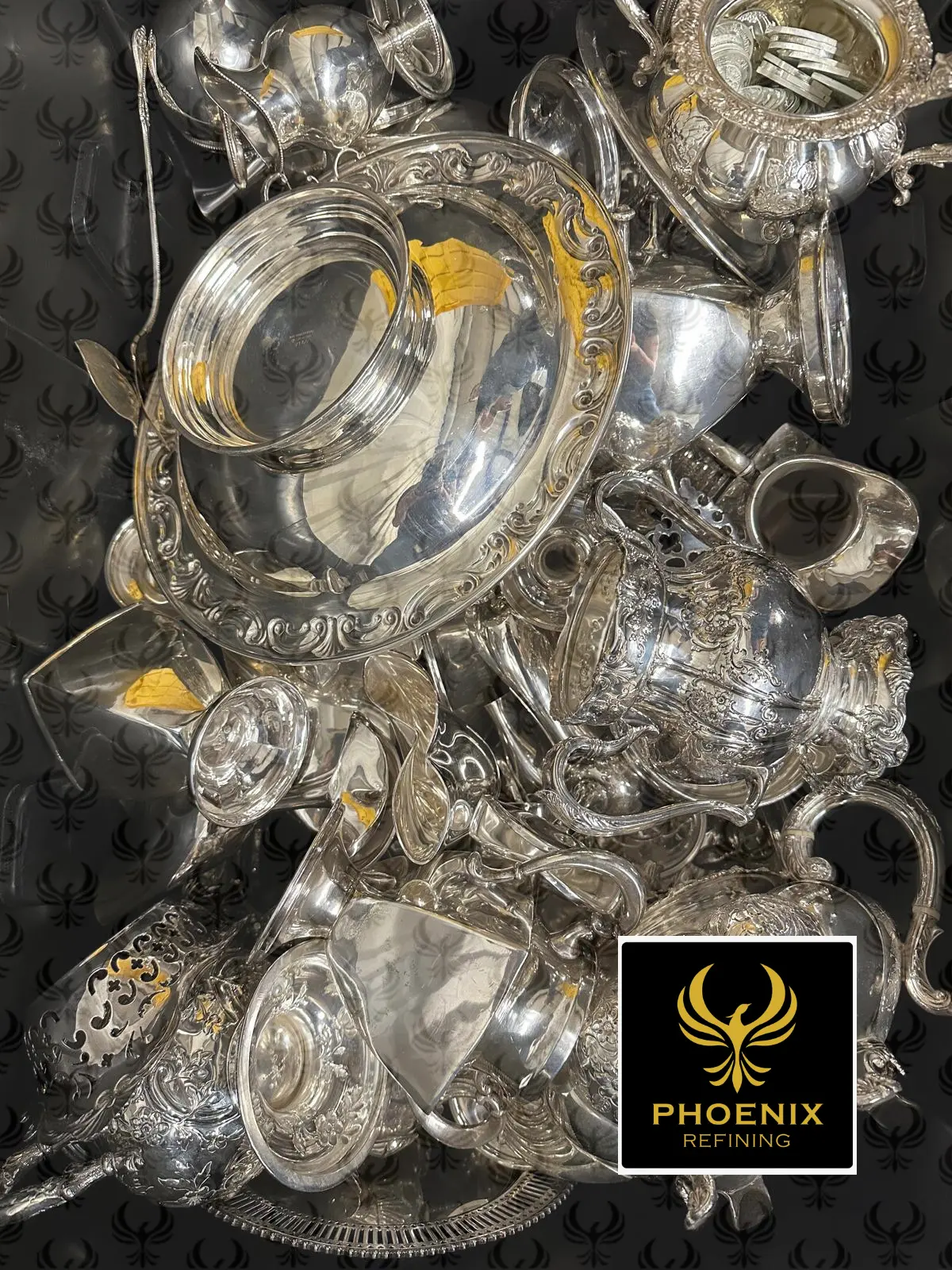
Whether you own traditional sterling silver, Argentium silver, broken jewelry, silverware, scrap, or unused silver items, those pieces still hold real precious-metal value. Instead of letting unwanted silver sit in a drawer, turn it into cash with a trusted refiner. Sell your silver to Phoenix Refining today and get the value your precious metals deserve. Phoenix Refining can help you recover value from sterling, Argentium, and other silver items with a professional refining process built around accuracy, transparency, and trust. Contact Phoenix Refining now to begin your silver evaluation and get the best value from your unused precious metals.