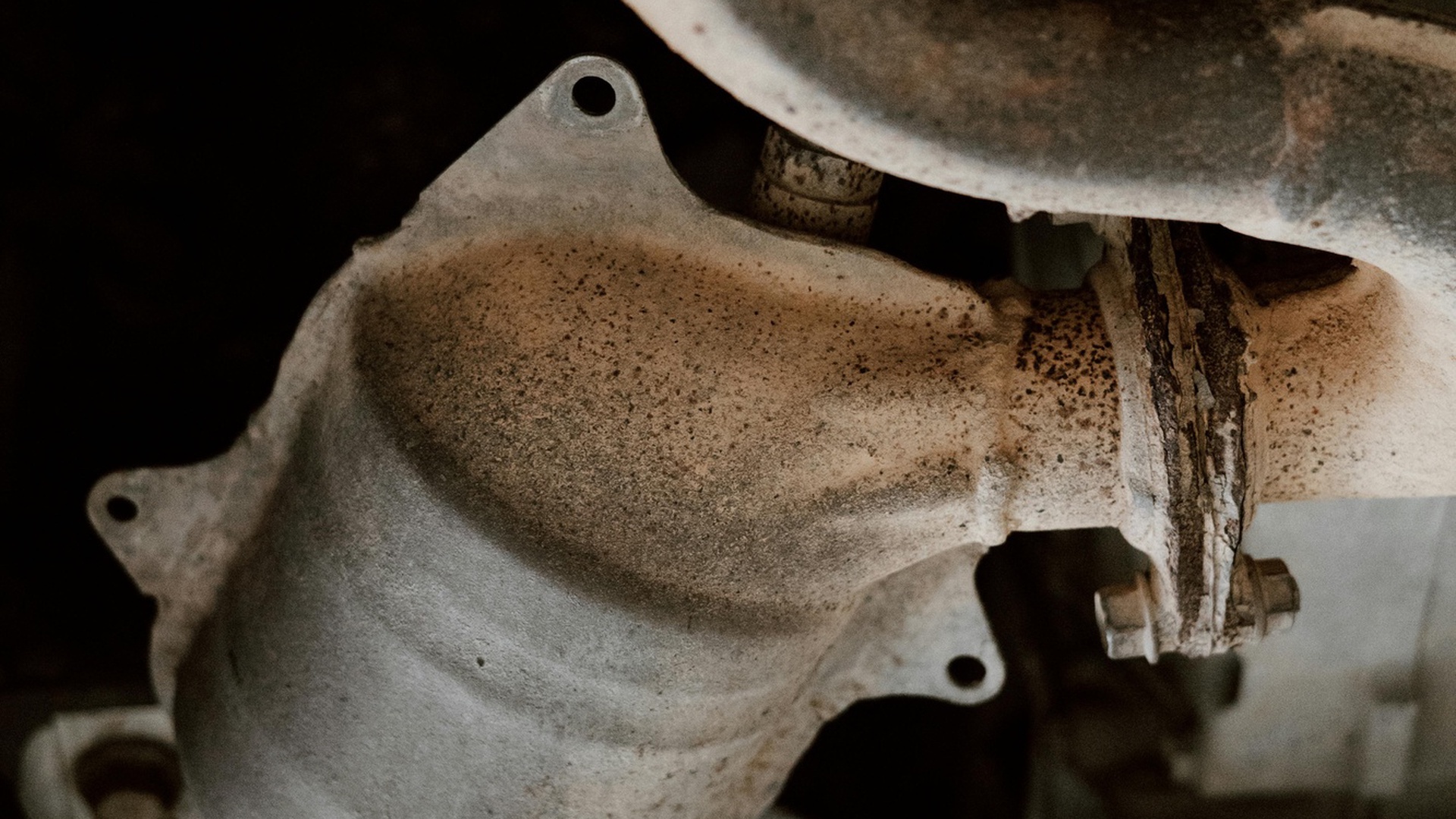
The platinum group metals, including platinum, palladium, rhodium, ruthenium, iridium, and osmium, are essential to modern industry because of their exceptional catalytic, electrical, and physical properties. Within this group, rhodium has traditionally occupied a premium position. It remains one of the most effective catalysts for reducing nitrogen oxides in automotive exhaust and is prized for producing bright, durable, and tarnish-resistant finishes.
Yet rhodium’s advantages come with significant economic and supply-chain risks. The metal is exceptionally rare, production is highly concentrated, and prices have swung dramatically. These pressures are pushing manufacturers to lower rhodium loadings, use rhodium-ruthenium alloys, and, when performance requirements allow, replace rhodium entirely with ruthenium.
Ruthenium is not a universal substitute. Rhodium remains difficult to displace in applications such as three-way automotive catalysts and brilliant-white decorative plating. But in surface engineering, electronics, specialty catalysis, and several emerging technologies, ruthenium increasingly offers a compelling combination of lower cost, high wear resistance, electrochemical performance, and chemical versatility.
The economic case for considering ruthenium begins with the structure of the rhodium market. Global rhodium production is only about 25 metric tons annually, and the metal is recovered primarily as a by-product of platinum and palladium mining. Producers therefore cannot quickly increase rhodium output when demand rises. More than 80% of the mined supply of both rhodium and ruthenium is associated with South Africa’s Bushveld Complex. At the same time, Russia and Zimbabwe are also important to the wider PGM supply chain. This geographic concentration exposes users to electricity shortages, mine disruptions, processing outages, labor disputes, geopolitical sanctions, and transportation constraints. Recycling provides an additional source of metal, but the availability of spent automotive catalysts has weakened at times as consumers keep vehicles longer and fewer end-of-life cars enter the scrap market.
Rhodium prices demonstrate the consequences of this inelastic supply. From approximately $600 per troy ounce in 2016, the metal climbed to extraordinary levels during the 2021 market squeeze, with quoted peaks varying by market and transaction type. The increase reflected stricter emissions standards, greater catalyst loadings, and simultaneous disruptions to South African production. Prices later retreated sharply, but the episode showed industrial buyers how quickly rhodium costs could overwhelm product margins.
Ruthenium is not immune to volatility. Its price also rose during 2021, and its comparatively small market can react sharply to changes in demand. Nevertheless, it has generally traded at a fraction of the cost of rhodium. For manufacturers, that difference can translate into substantial savings and more predictable materials planning. The result is not simply a search for the cheapest metal. This broader effort redesigns products and processes to use less rhodium.
Electroplating is one of the clearest areas in which ruthenium is gaining ground. Rhodium remains the benchmark for highly reflective white finishes. It offers excellent resistance to tarnish, a Vickers hardness of approximately 800 to 1,000 HV, a melting point of 1,964°C, and strong abrasion resistance. These properties make it valuable in jewelry, eyewear, luxury accessories, and specialized electrical components. Its price, however, has encouraged the development of rhodium-ruthenium alloys and pure ruthenium coatings.
Rhodium-ruthenium plating systems can preserve much of rhodium’s brightness and hardness while reducing the amount of rhodium required. Commercial alloy electrolytes can produce uniform, crack-resistant coatings with excellent throwing power and layer thicknesses suitable for both decorative and functional uses.
These alloys occupy an important middle ground. They are appropriate when pure ruthenium is too dark but pure rhodium is unnecessarily expensive. Some systems also operate at lower temperatures or require fewer additives, potentially reducing energy use and simplifying bath management.
Pure ruthenium plating is particularly attractive where wear resistance matters more than brilliant whiteness. Ruthenium is among the most abrasion-resistant PGMs and can provide finishes ranging from light grey to dark anthracite or black. These colors have become desirable in watches, fashion accessories, decorative hardware, and premium consumer products.
Certain neutral-pH ruthenium baths can be deposited directly onto copper, nickel, or white bronze, reducing the need for complex intermediate layers. Other white or technical ruthenium systems use strongly acidic conditions, depending on the desired finish and substrate. Ruthenium therefore does more than imitate rhodium. It supports a different design language, dark, durable, and technically sophisticated, while lowering precious-metal exposure.
Ruthenium is also making inroads in functional coatings and electrical components. Gold is frequently deposited over a harder intermediate layer to provide conductivity while preventing diffusion and corrosion. Palladium has traditionally served as such a barrier, but its elevated price has made alternatives attractive. Ruthenium can do this job in contacts, reed switches, slip rings, and semiconductor metallization.
A particularly useful property is the formation of a thin, adherent film of ruthenium dioxide on the surface. Unlike many metal oxides, conductive RuO₂ can maintain low and stable contact resistance. That helps components perform in humid, corrosive, or sulfur-containing environments. Ruthenium’s combination of hardness, wear resistance, and conductive oxide formation makes it valuable in applications where rhodium’s visual brightness provides little functional benefit.
Automotive emissions control is the most important area in which the limits of substitution must be recognized. Rhodium remains exceptionally effective at reducing nitrogen oxides to nitrogen under the rapidly changing air-to-fuel conditions in gasoline-engine exhaust. Platinum and palladium cannot fully reproduce this performance, and ruthenium is not yet a complete drop-in replacement.
The more practical strategy is partial substitution through advanced nanoalloys. Palladium-rhodium-ruthenium catalyst systems can reduce the amount of rhodium needed while improving thermal stability. Conventional PGM nanoparticles can sinter when exhaust temperatures approach 1,000°C, causing them to agglomerate and lose active surface area. Adding ruthenium can modify the catalyst's electronic structure and improve how carbon monoxide, hydrocarbons, and nitrogen oxides interact with its active sites.
When used with optimized ceria-zirconia or ceria-zirconia-alumina supports, ruthenium-containing nanoalloys can also improve oxygen-storage capacity, cold-start performance, and resistance to thermal aging. Specialized synthesis methods can encourage the redispersion of catalytic particles instead of permanent agglomeration. The opportunity, therefore, is rhodium thrift rather than rhodium elimination: using materials engineering to achieve regulatory performance with a lower rhodium loading.
Ruthenium’s growth does not eliminate PGM supply risk. Like rhodium, much of its primary production occurs in southern Africa, where it is recovered as a by-product. If demand for semiconductors, hydrogen technologies, and electrochemistry rises rapidly, the ruthenium market could tighten.
Recycling will therefore become increasingly important. Potential secondary sources include spent industrial catalysts, electronics, hard-disk drives, and certain nuclear-waste streams. Recovering ruthenium is technically demanding because the metal can exist in several oxidation states and form stable nitroso-nitrate complexes. Processes may use solvent extraction, ion exchange, selective precipitation, or oxidation to volatile RuO₄, followed by distillation and reduction into stable chloro-complexes.
The RuO₄ route can provide excellent separation from nonvolatile PGMs, but it introduces major safety requirements. Ruthenium tetroxide melts near room temperature, sublimates readily, and can cause severe oxidative damage to respiratory tissue, eyes, and skin. Industrial systems, therefore, require closed equipment, negative-pressure ventilation, rigorous monitoring, and rapid quenching with suitable reducing agents. A viable ruthenium economy will depend not only on mining but also on safe, efficient closed-loop recovery.
Ruthenium is increasingly gaining traction in applications where the typical advantages of rhodium are not as critical. For instance, in situations where the dazzling brightness of rhodium is unnecessary, or where wear resistance and hardness take precedence, ruthenium becomes a more appealing choice. Additionally, it shines in scenarios where the formation of conductive oxides is beneficial, and for those seeking lower and more predictable material costs, it offers a solid solution.
Moreover, innovations in catalyst design can allow for a reduction in rhodium loadings without sacrificing performance. In some cases, the unique nanoscale electrical behavior of ruthenium is more relevant than bulk conductivity. Its ability to exist in multiple oxidation states also enables specialized chemical reactions that are advantageous for various applications. Overall, the shift toward ruthenium, while selective, plays a structurally significant role in advancing technologies in plating, automotive catalysts, semiconductors, hydrogen systems, and specialty chemistry.